
Candidates for Representation
Project No Cap recognizes candidates who support uncapping the U.S. House of Representatives and giving Americans stronger, closer, and more responsive representation.
Every District Has Its Own Case for More Representation.
The candidate profiles and district-specific arguments presented below reflect Project No Cap's independent analysis of why expanding the House may be particularly relevant to a particular candidate, district, or state. Our analysis draws on publicly available information about each candidate's district, professional background, public-service experience, campaign themes, and governing perspective.
These materials are prepared by Project No Cap and represent the organization's views and analysis. Unless otherwise specifically indicated, they have not been prepared by, coordinated with, or approved by any candidate or candidate committee.
Dave Bushaw
No Cap's Best ArgumentIowa had 11 members of the U.S. House in 1929. Today it has only four, even though the state's population has grown. Bushaw's “Accessible & Accountable Congress” message fits naturally with the argument that representation should become closer as America grows, not more distant.
Project No Cap believes Iowa's historic loss of House seats is Bushaw's strongest argument for reform.
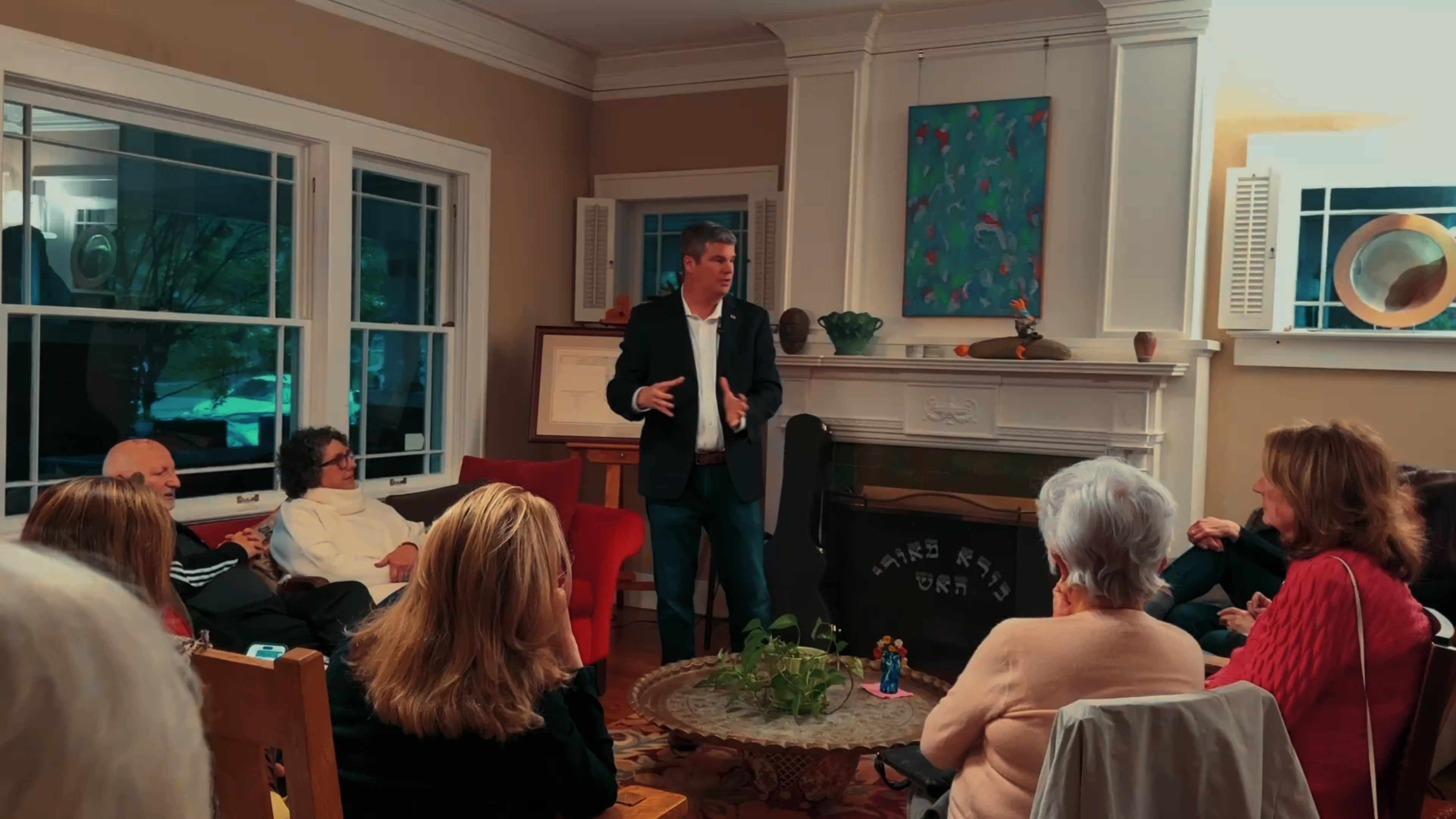
John Croisant
No Cap's Best ArgumentCroisant already includes uncapping the House in his “Fixing Congress” agenda. Project No Cap believes uncapping can serve as a foundation for broader reforms by distributing power among more representatives and making institutional change more possible.
For Croisant, Project No Cap sees uncapping as part of a larger congressional reform strategy.
Mike Croley
No Cap's Best ArgumentCroley describes the government he wants as “representation that listens, not lectures.” Smaller constituencies give representatives greater capacity to meet with residents, understand local concerns, respond to constituent needs, and spend more time listening.
Project No Cap believes accessibility and listening are Croley's strongest arguments for uncapping.
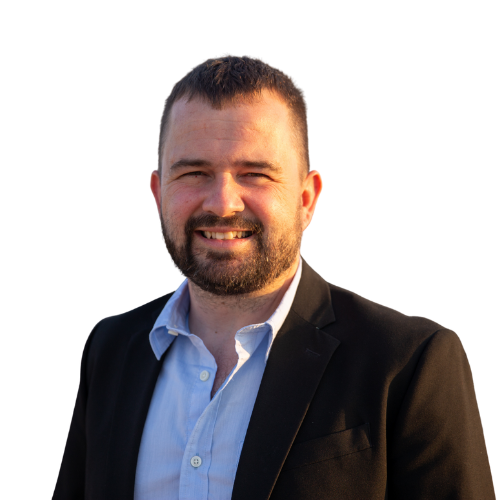
Drew Cox
No Cap's Best ArgumentIndiana's 4th District stretches across 16 counties and more than 4,000 square miles. The time required simply to traverse a district that large is time taken away from constituent meetings, casework, local events, and direct representation.
Project No Cap believes geography gives Cox a strong practical case for smaller, more accessible districts.

Evan Hunt
No Cap's Best ArgumentHunt's background in service and government reform creates a natural argument for modernizing Congress. We wouldn't send America's military into battle using century-old equipment and battle plans. Congress shouldn't be forced to operate with a representative structure frozen nearly 100 years ago either.
Project No Cap believes Hunt's service perspective makes modernization and constituent service his strongest frame.
Ned Pillersdorf
No Cap's Best ArgumentPillersdorf has spent his career representing people trying to navigate institutions that weren't listening to them, including thousands of plaintiffs in a Social Security scandal. That experience gives him a direct connection to the purpose of representation itself.
Project No Cap believes Pillersdorf can make the case for uncapping through his own experience as an advocate.
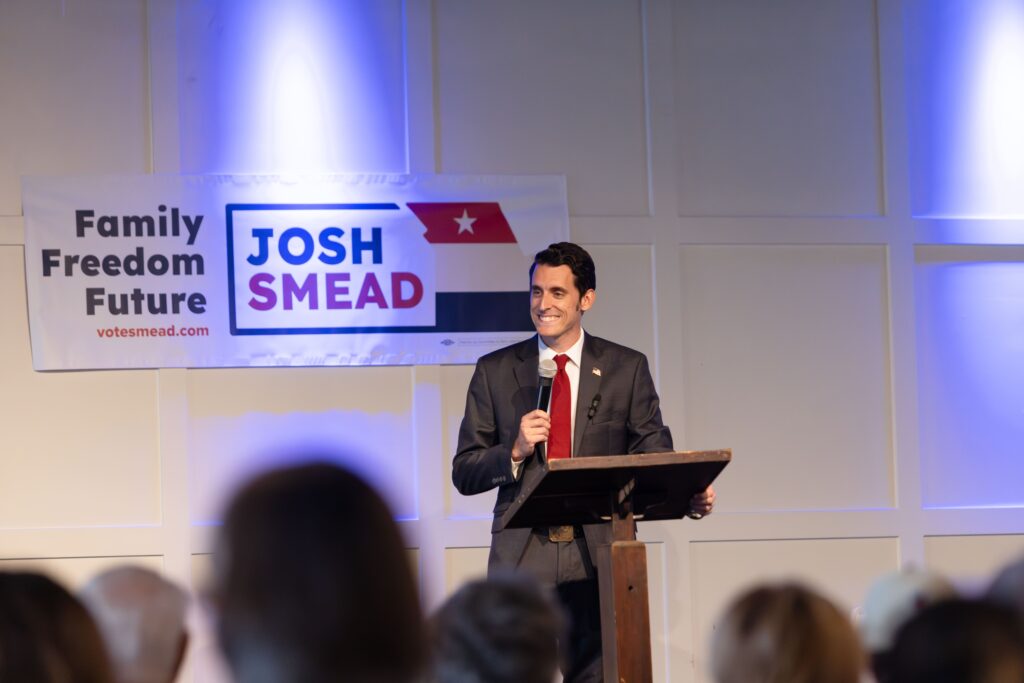
Josh Smead
No Cap's Best ArgumentSmead already emphasizes better representation and less centralized power in Washington. As an architect, he also has a natural way to frame reform: good design begins by asking whether a structure actually works for the people who use it. Congress should face the same test.
Project No Cap believes Smead's architectural background makes structural reform an especially natural message.
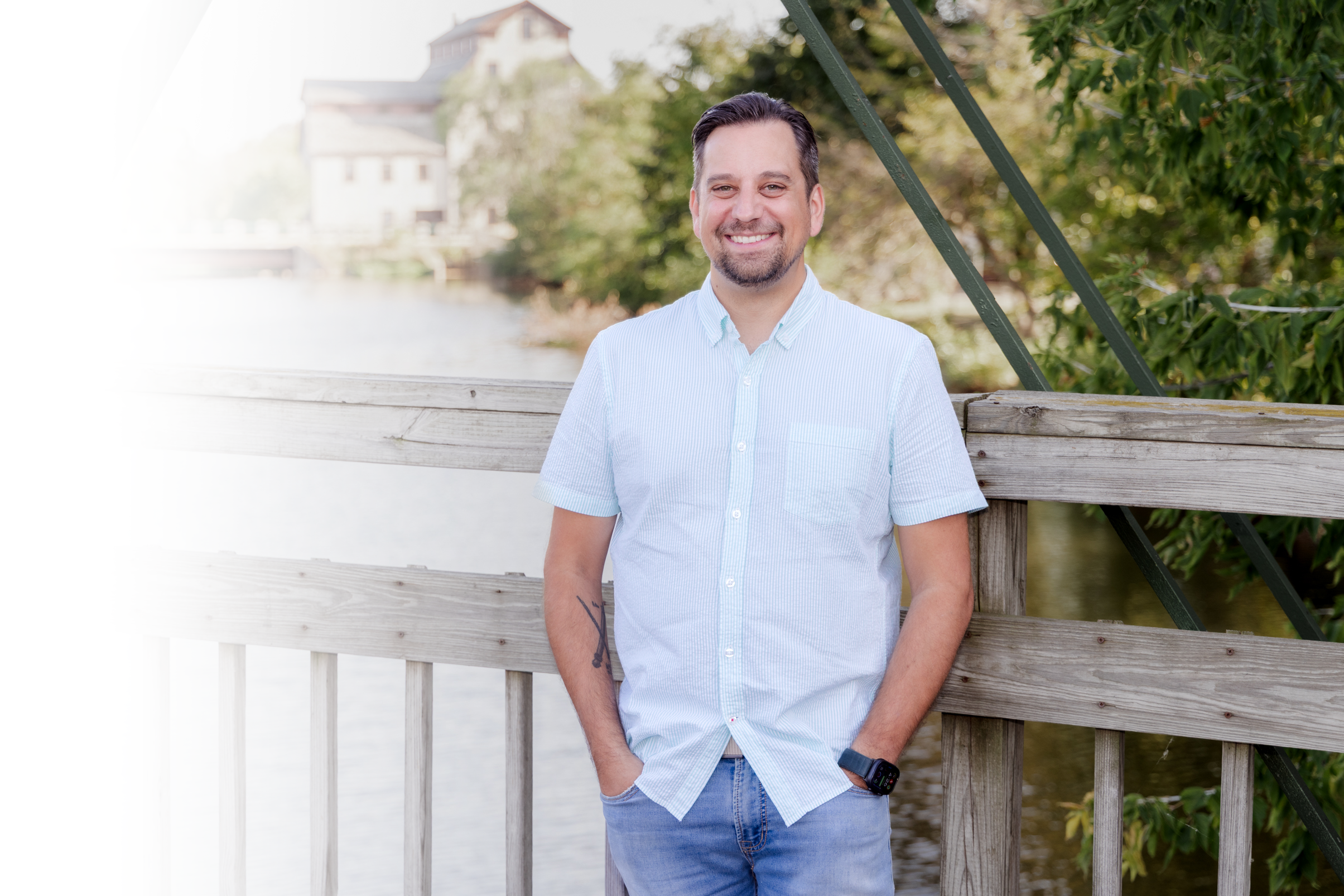
Brad Smith
No Cap's Best ArgumentWisconsin's history tells the story. In 1929, Wisconsin had 11 members of the U.S. House. Today it has only eight, even though the state's population is significantly larger. Fewer representatives now serve far more people.
Project No Cap believes Wisconsin's historical decline in House representation gives Smith a particularly strong argument for reform.
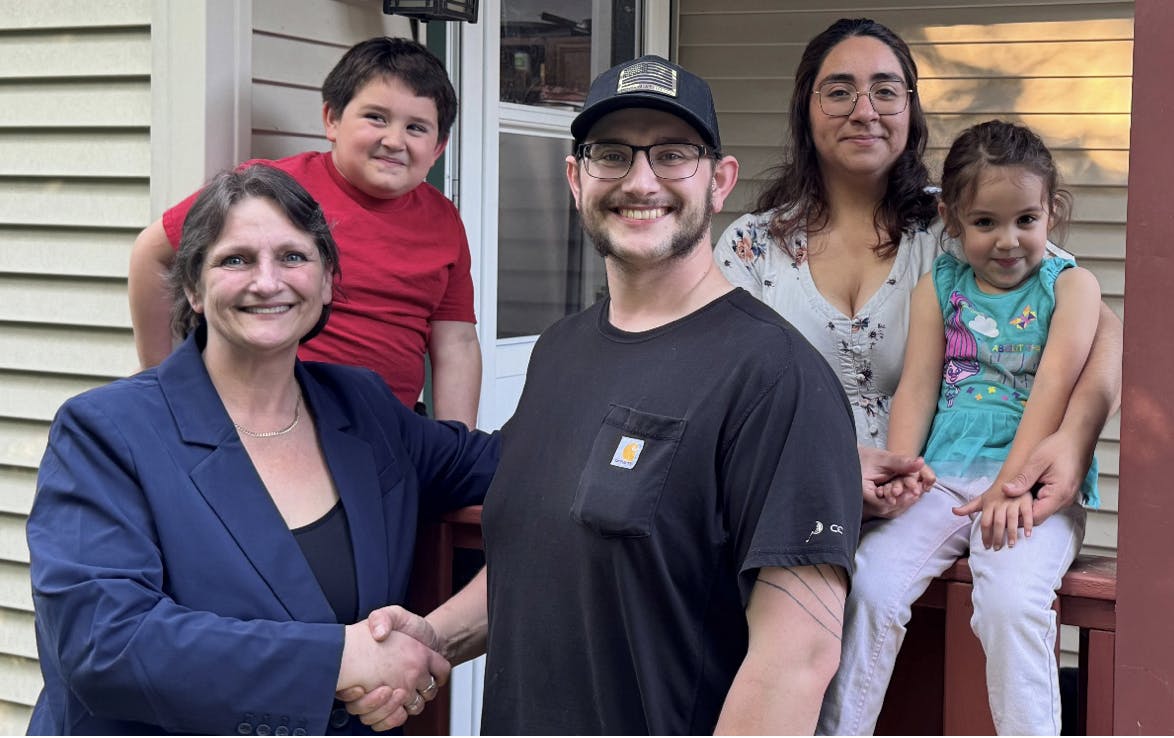
Becky Stille
No Cap's Best ArgumentNebraska's 3rd District spans 80 of the state's 93 counties, covers roughly 65,000 square miles, and crosses two time zones. Even the most committed representative faces enormous practical barriers trying to maintain a real presence across such a vast district.
Project No Cap believes NE-03 offers one of the clearest geographic arguments for smaller congressional districts.
Paid for by Project No Cap. Not authorized by any candidate or candidate's committee.