
The Representatives Reading List
Reflect.
Represent.
Democracy is complicated. It’s a republic only if we can keep it. Self-government takes engagement and education. This is a library for people who want to understand the founding, the Constitution, Congress, American institutions, and the ideas that shape representative government.
The Library
The Representatives Reading List explores the American experiment from the founding through the modern Congress. These authors don't always agree with one another—and Project No Cap doesn't necessarily agree with every argument they make. That's the point. Understanding representation requires understanding where our institutions came from, how they changed, and what we can do to help them.
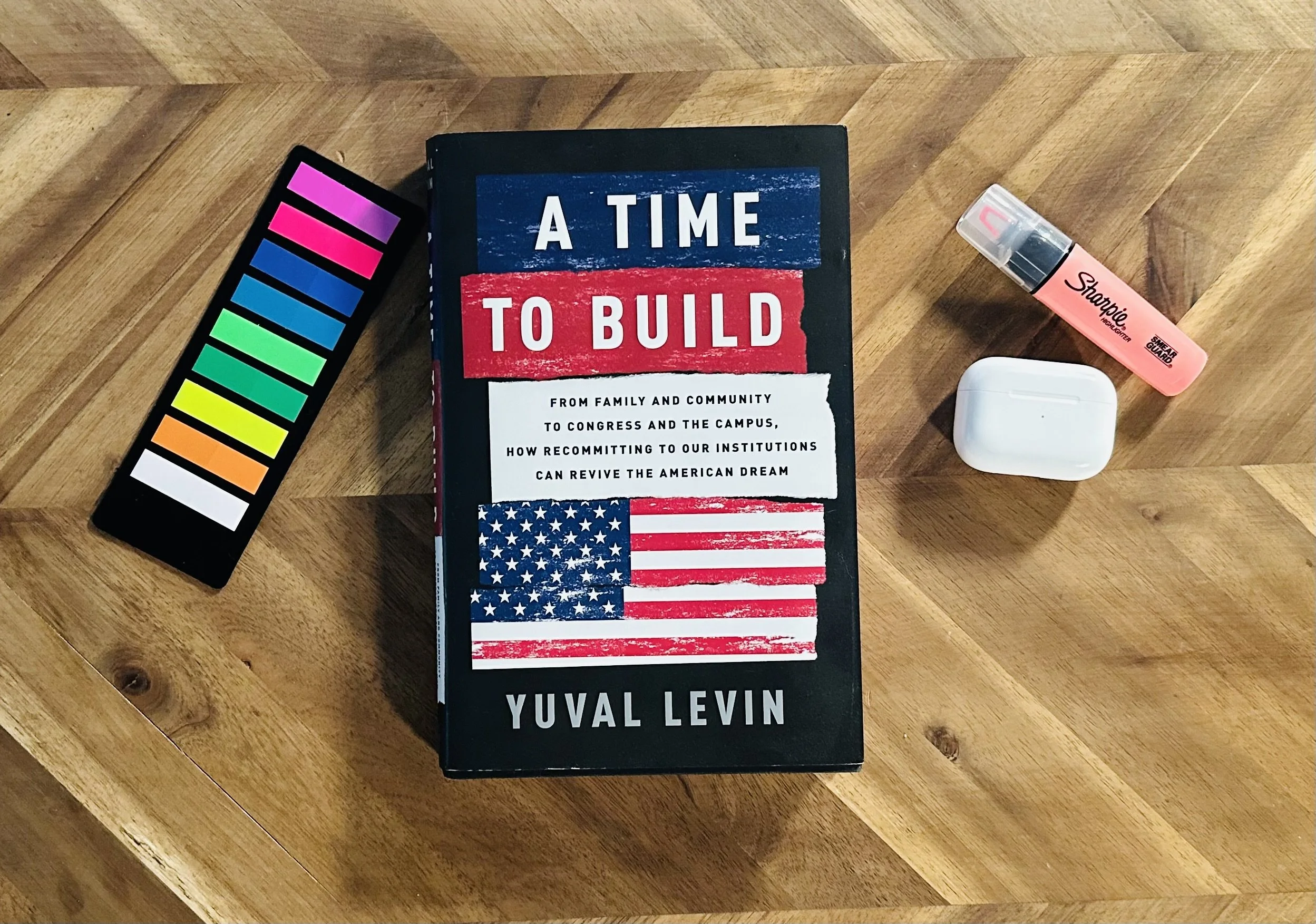
A Time to Build
A Time to Build reflects on our tendency to view key institutions—like Congress, universities, journalism, and government—as “performative” rather than “formative.” Levin argues that rebuilding trust requires people to inhabit institutions responsibly rather than simply using them as platforms. He encourages readers to repair our institutions, invest in their communities, and support their families.
Our Declaration
Our Declaration: A Reading of the Declaration of Independence in Defense of Equality takes a close, line-by-line look at one of America's foundational texts. Allen argues that equality and political participation are central—not peripheral—to the Declaration and to the democratic project it helped launch.
Ratification
Ratification: The People Debate the Constitution, 1787–1788 tells the story of what happened after the Constitutional Convention. Rather than treating adoption of the Constitution as inevitable, Maier follows the intense public and state-by-state debates in which Americans decided whether the new framework of government should actually become their Constitution.
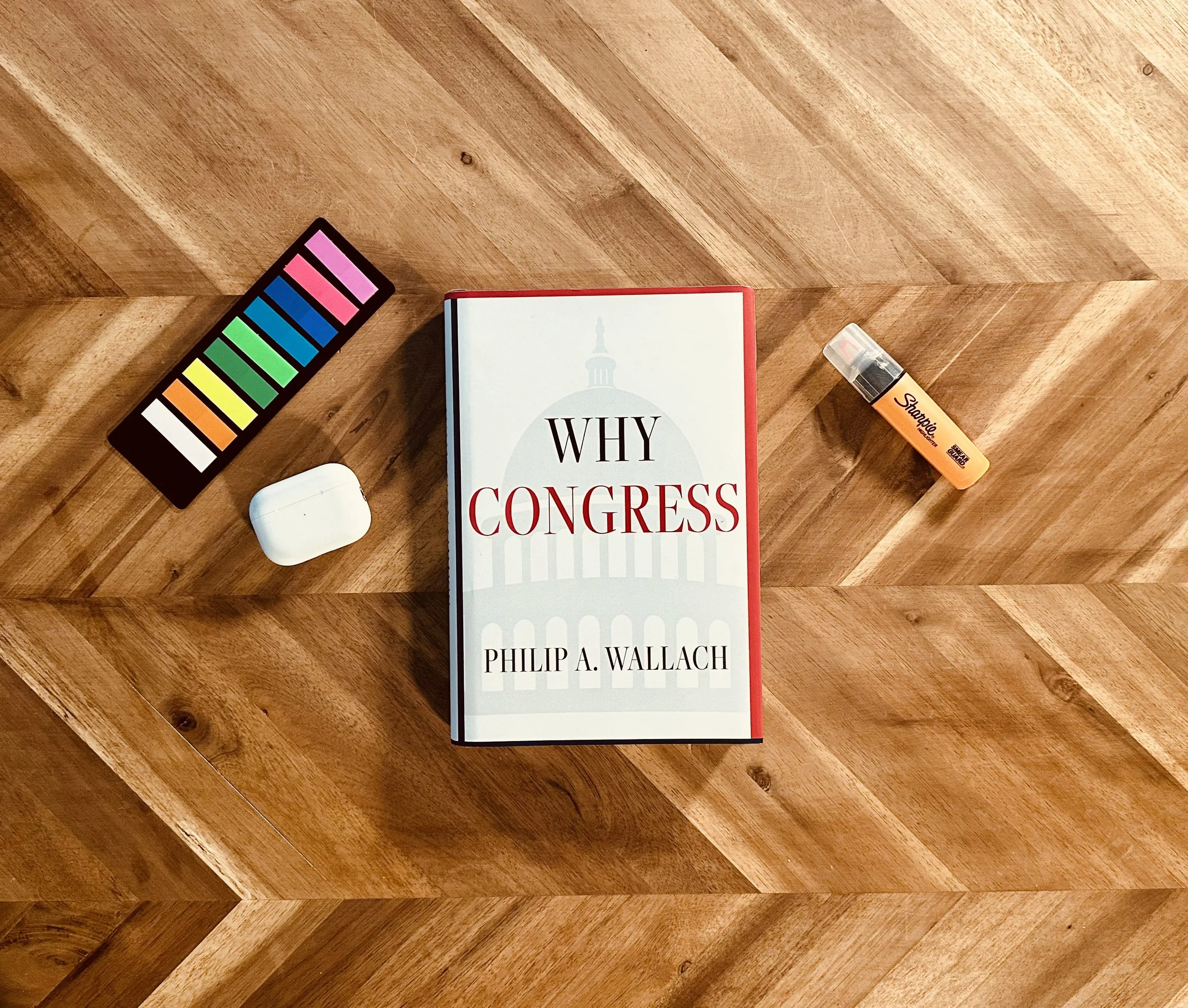
Why Congress
Why Congress explores why the legislature remains essential to American self-government. Wallach examines congressional dysfunction, legislative successes, and possible futures for the institution—including a larger House of Representatives.
Draw the Line in Ohio
Draw the Line in Ohio: How One State's Fight for Fair Maps Explains Gerrymandering in America. What happens when power is concentrated? Draw the Line uses Ohio's redistricting battles to examine the larger problem of partisan gerrymandering. Through the experience of one state, the book explores how political maps are drawn, challenged, defended, and reformed—and what those fights mean for representation.
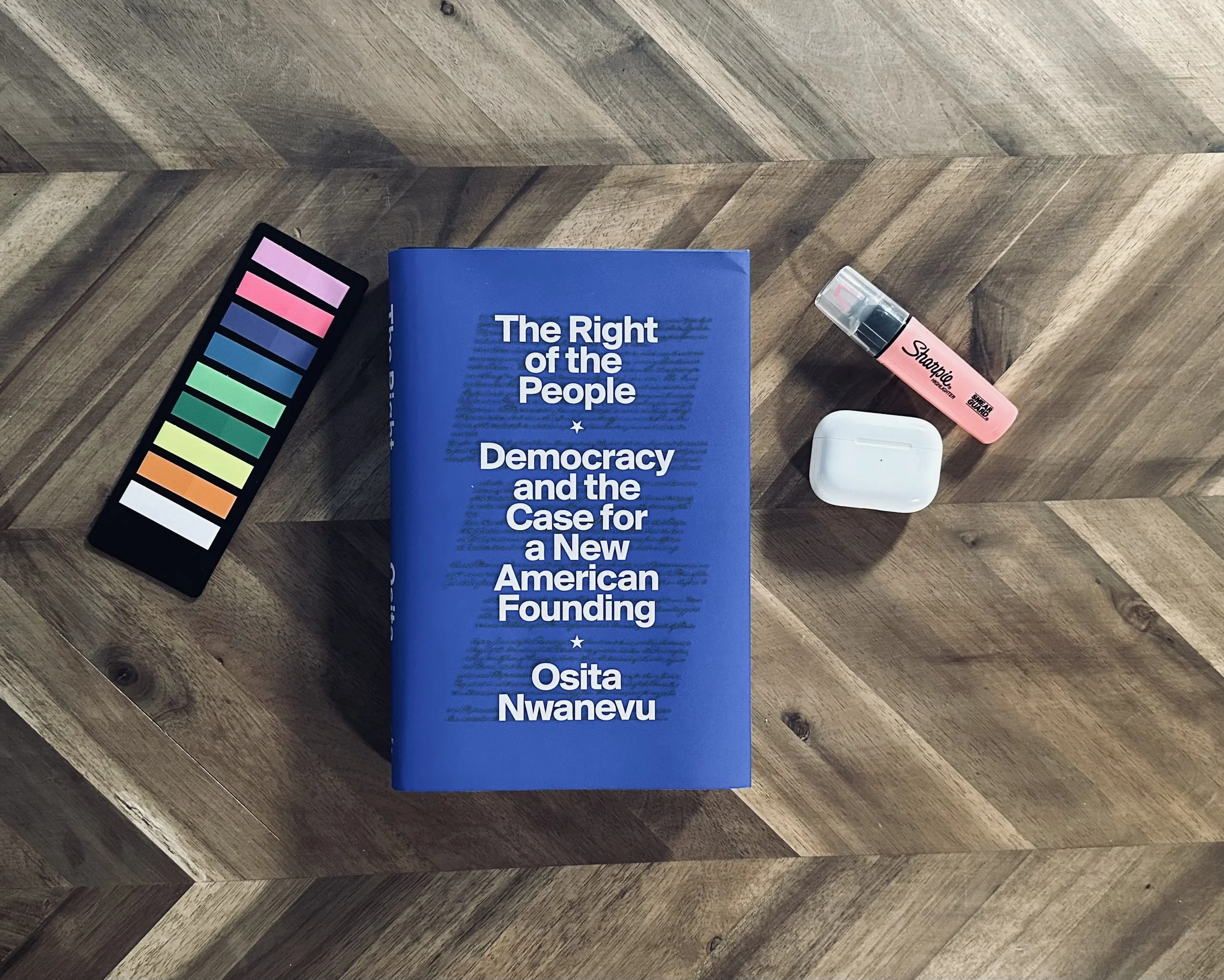
The Right of the People
The Right of the People makes the case for substantial democratic reform and asks readers to reconsider some of America's most familiar political institutions. Its proposals include increasing the size of the House, changing presidential elections, and pursuing constitutional reform.

Filthy Rich Politicians
Filthy Rich Politicians examines money, wealth, and the incentives surrounding modern political careers. Lewis explores how elected office became intertwined with personal financial opportunity and considers reforms intended to produce a healthier Congress.
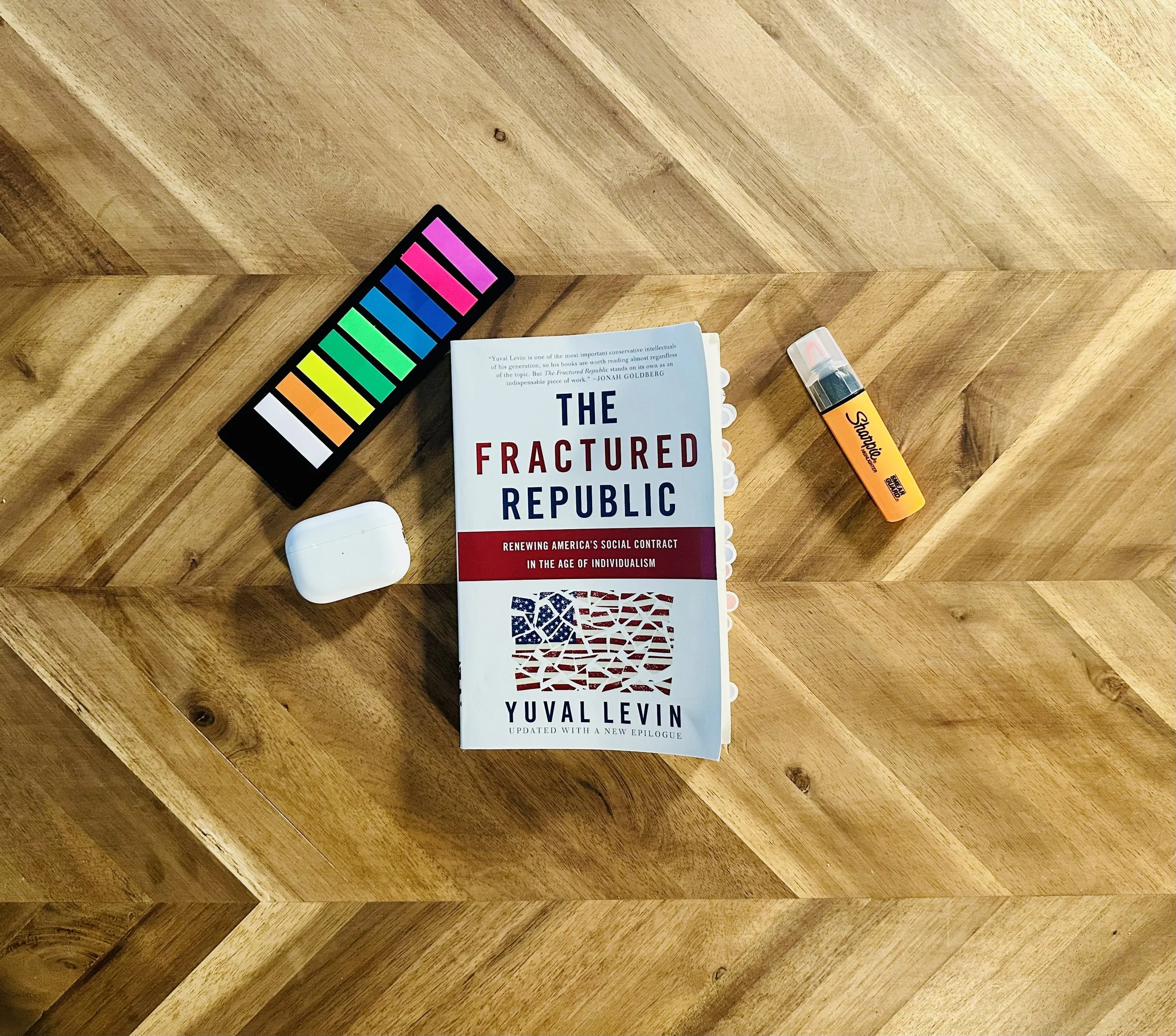
The Fractured Republic
The Fractured Republic examines polarization, individualism, nostalgia, and the weakening of America's mediating institutions. Levin argues for rebuilding families, communities, civic organizations, and local institutions as a path toward a healthier republic.
Act of Congress
Act of Congress: How America's Essential Institution Works, and How It Doesn't takes readers inside the legislative process. Veteran Washington Post journalist Robert G. Kaiser follows Congress closely to show how personalities, politics, procedure, negotiation, and institutional pressures shape the difficult work of turning an idea into federal law.
Decision in Philadelphia
Decision in Philadelphia: The Constitutional Convention of 1787 reconstructs the personalities, disagreements, compromises, and political calculations that produced the Constitution. It presents the document not as something that appeared fully formed, but as the product of difficult choices made by delegates with competing ideas about representation and political power.
Plain, Honest Men
Plain, Honest Men: The Making of the American Constitution brings readers inside the Constitutional Convention and the debates that shaped the country's governing framework. Beeman focuses on the delegates themselves and the arguments, compromises, and uncertainties involved in creating a new national government.
The Impending Crisis, 1848–1861
The Impending Crisis, 1848–1861 examines the political breakdown that preceded the Civil War. Potter traces the growing sectional conflict over slavery, territorial expansion, political parties, and the institutions Americans relied upon to resolve their disagreements. It is a study not only of the coming of the Civil War, but of what happens when a political system loses its ability to contain profound national divisions.
The Federalist Papers: Nos. 10 & 51–58
These selected essays from The Federalist Papers go directly to the architecture of representative government. In Federalist No. 10, Madison considers the problem of faction and argues that extending the sphere of the republic can make it harder for any single faction to dominate. No. 51 examines the separation of powers and the institutional checks necessary to restrain political power. Nos. 52–58 turn directly to the House of Representatives—its elections, terms, qualifications, size, apportionment, and relationship to the people. Together, these essays provide essential context for understanding what the framers expected the House to be and how representation was intended to work.
American Covenant
American Covenant: How the Constitution Unified Our Nation—and Could Again argues that the Constitution should be understood not merely as a set of restraints on political power but as a framework designed to help a diverse country govern itself. Levin examines how constitutional institutions can channel disagreement, encourage negotiation, and help Americans act together despite deep differences.
Representation Is Worth Studying.
The House wasn't always capped at 435 members. Learn how we got here, why it matters, and what a more representative House could look like.
Why 435? →